The University of Texas at Austin - What Starts Here Changes The World H1N1 (swine flu) and seasonal flu - what you should know
healthyhorns.utexas.edu
Home General Medical Care Urgent Care Women's Health Sports Medicine Allergy and Immunization pharmacy
Health Topics Classes and Workshops Mental Health Nutrition Alcohol and Drugs Healthy Sexuality Safety Guest Speakers
Nurse Advice Line Your Feedback Campus Health My UHS AlcoholEdu Contact UHS
University Health Services Division of Student Affairs

Appointments 512-471-4955

Medical Emergencies

Hours of Operation

UHS Staff

Eligibility to Use UHS

Charges

Health Insurance

Incoming Students

Information for Parents

Travel Health

Patient Rights and Privacy

Medical and Immunization Records

Medical Withdrawals and
Course Load Reductions


Health Promotion Resource Center

Center for Students in Recovery

Lending Library

Physical Therapy

Laboratory

Radiology

Parking

About UHS

Job Opportunities

Volunteer Opportunities

UHS Staff Intranet

Marijuana

Marijuana is the most widely used illegal substance in the world today. It's also the most controversial.

According to the 2004 National Survey on Drug Use and Health (NSDUH), approximately 96.8 million (40.2%) Americans ages 12 and older have tried marijuana at least once during their lifetimes. About 25.5 million (10.6%) people reported past year marijuana use, and 14.6 million (6.1%) people reported past month use.

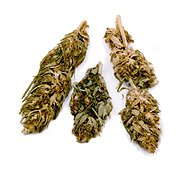
marijuana

As you might expect, college students use marijuana at higher rates than the U.S. population generally. The Harvard School of Public Health, which has surveyed U.S. college students extensively every other year since 1989, reports that approximately 47% of U.S. college students have tried pot at least once. About 30% report past year use, and 17% report past month use.


e-TOKE Marijuana Self-Assessment

Quick Jump

Marijuana Myths & Facts Quiz
Marijuana Basics
Marijuana Politics
Legal Issues: Texas & Federal Statutes & Criminal Penalties
The Genetics of Alcohol Addiction
e-TOKE Marijuana Self-Assessment

Programs and Classes

Individual Consultations
The Adult Children of Alcoholics (ACOA) Group
e-TOKE Marijuana Self Assessment
Choices Class
DWI Class
Alcohol Education Program for Minors (AEPM)
Quitters - Smoking Cessation Classes
Center for Students in Recovery
Safe Ride Program
Alcohol Medical Emergency Call for Help
21st Birthday Card
Peer Education Program
Workshops

Marijuana Quiz: What's Your PQ?

  1. Q: Chocolate and marijuana stimulate the same receptors in the brain.
    A: True. However, you would have to eat about 25 pounds of chocolate in one sitting to get the same effect as smoking one joint.


  2. Q: Smoking pot kills brain cells and causes brain damage.
    A: False & Undetermined. It probably doesn't kill brain cells, and early studies purporting to show structural changes in the brains of heavy marijuana users have not been replicated with more sophisticated techniques. However, smoking pot clearly interferes with learning and memory. Occasional users experience residual effects on cognitive functioning, including memory, for up to 48 hours after smoking. Habitual users experience ongoing impaired ability to learn new information, which continues for up to several weeks after quitting use.


  3. Q: Pot is the most popular illegal drug in America.
    A: True. No other illegal drug challenges pot's popularity in the U.S.


  4. Q: Marijuana can be habit-forming but is not addictive.
    A: False. Pot was once considered a non-addictive substance, and many people still believe this. But current research shows that use of the drug by some people can lead to both psychological and physical dependence. A drug is addictive if it causes craving, loss of control, and compulsive use even in the face of negative consequences. Pot meets these criteria. Furthermore, many habitual marijuana users who quit using experience physical withdrawal symptoms that are similar to, though usually milder than, those suffered by cigarette smokers who quit smoking.


  5. Q: Smoking marijuana causes laziness and saps motivation.
    A: Undetermined, but it appears to be more false than true. The lack of motivation that some heavy users experience often can be attributed to other factors such as the use of alcohol or other drugs, depression, or other underlying personality characteristics.


  6. Q: Marijuana is a "gateway drug." (That is, smoking pot leads to using harder drugs.)
    A: This is most likely false. Most drug users don't begin with marijuana, but start with tobacco and alcohol at a fairly young age. People who go on to use harder drugs tend to be experimenters. Pot is just one of several or many drugs that experimenters may try.


  7. Q: Today's marijuana is 10 times more potent than the marijuana of the 1960's and 1970's.
    A: Yes and no. The THC content of regular marijuana has consistently ranged from 2% to 5% in most samples over the past three decades. Several stronger varieties have always been available. These are easier to obtain and more popular today than in past decades.


  8. Q: Use of marijuana promotes aggression and crime.
    A: This is generally false. Marijuana usually has a calming effect. Most criminals who use marijuana began committing crimes before they started smoking pot. On the other hand, a couple of studies have shown a correlation between heavy marijuana use in teenagers and aggressive behavior, disruptive behavior, and crime. It's important to note that correlations do not necessarily show cause and effect.


  9. Q: Marijuana is classified as a central nervous system depressant.
    A: True to some extent. Marijuana a member of the cannabis family of drugs that also includes hashish, hashish oil, and tetrahydrocannabinol (THC, the main psychoactive substance in the cannabis plant). Medically, it is also classified as a CSN depressant, muscle relaxant, appetite stimulant, hallucinogenic, antiemetic (alleviates nausea and vomiting), and bronchodilator (improves air flow to the lungs).


  10. Q: Smoking pot can make you sterile.
    A: Undetermined. More research is needed. We know that many long-term, heavy-using males suffer from a lowered sperm count and slower moving sperm, and some experience impotence. This isn't the same as sterility, which indicates the absence of motile sperm.


  11. Q: No one has ever died from an overdose of marijuana.
    A: True. But that doesn't mean that marijuana is safe. There are many risks involved with using marijuana beyond its illegality. People sometimes die as a result of accidents associated with being high on pot.


  12. Q: Smoking pot causes lung cancer.
    A: Undetermined. Marijuana smoke and tobacco smoke are known to be similar in several ways. They both contain at least one well-known carcinogen, benzopyrene, and it occurs in greater concentration in marijuana smoke. On the other hand, a recent study at the University of California Los Angeles, found no elevated cancer risk for pot smokers, even the heaviest ones. Apparently, the jury is still out on this one.


  13. Q: Smoking pot impairs the immune system.
    A: Unknown. Cannabinoid receptors are highly concentrated in certain immune-system cells as well as in the brain. Researchers have found that THC impairs immune system function in laboratory animals, but the doses in those studies were extremely high. Corroborating research has not been conducted on humans.


  14. Q: The effects of smoking pot can last up to two full days.
    A: True. THC, the main active ingredient in marijuana, is extremely fat-soluble, which means it is stored in the body's fatty tissues and can slowly enter the bloodstream for up to two days after smoking.


  15. Q: Modern drug testing techniques can identify marijuana in your system up to one month after use.
    A: This may be true for heavy users if the test is particularly sensitive. Most tests, especially those available over the counter, are less sensitive, but even they can detect the presence of THC in heavy users for up to two to three weeks.


  16. Q: Smoking pot can make you go crazy.
    A: Go crazy? Probably not. But some pot users experience mild flashbacks, anxiety or panic attacks, and marijuana clearly has been shown to exacerbate certain pre-existing psychological conditions such as anxiety and panic disorders.

Marijuana Basics

marijuana How Marijuana Works
HowStuffWorks, a reliable online source for clear, unbiased explanations, offers a lively, in-depth description of marijuana the plant and marijuana the drug.

National Institute on Drug Abuse (NIDA)
NIDA, a division of The National Institutes of Health (NIH), supports over 85 percent of the world's research on the health aspects of drug use, abuse and addiction. Its InfoFacts section on marijuana provides a good description on the effects of marijuana use as well as an extensive bibliography.

The Vaults of Erowid
Erowid provides reliable, non-judgmental information about psychoactive plants and chemicals and related issues. The site includes input from academic, medical, and experiential experts. The comprehensive section on marijuana includes not only general information but also pages on marijuana history and culture.

Marijuana Politics

National Organization for the Reform of Marijuana Laws: NORML
NORML is a nonprofit lobby organization that intends to provide a voice for Americans who oppose marijuana prohibition. NORML supports a policy of decriminalization, the removal of all criminal penalties for the private possession and responsible use of marijuana by adults, including cultivation for personal use, and casual nonprofit transfers of small amounts.

Drug Policy Alliance
The Drug Policy Alliance focuses on marijuana law reform in an effort to end marijuana prohibition in the United States and elsewhere. The project brings together public education efforts, strategic litigation, media outreach and federal and state legislative drafting and lobbying to reform prohibitionist marijuana policies.

marijuana

Marijuana Policy Project (MPP)
MPP's stated purpose is to develop and promote policies to minimize the harm associated with marijuana. They support research, policy development, lobbying, and educational initiatives.

Texas Statutes: Criminal Penalties

In the State of Texas, possession and/or sale of any amount of marijuana is illegal.


Statute

Description

Classification

Penalty

Possession 2 oz. or less Class B misdemeanor (1) Fine up to $2,000 and/or
(2) Confinement in jail up to 180 days
Possession 2 - 4 oz. Class A misdemeanor (1) Fine up to $4,000 and/or
(2) Confinement in jail up to one year
Possession 4 oz. - 1 lb. State jail felony (1) Fine up to $10,000 and
(2) Confinement in state jail 180 days-2 years
Possession 1 - 5 lbs. State jail felony (1) Fine up to $10,000 and
(2) Confinement in state jail 180 days-2 years
Possession 5 - 50 lbs. Third degree felony (1) Fine up to $10,000 and
(2) Confinement in state prison 2-10 years
Possession 50 - 2,000 lbs. Second degree felony (1) Fine up to $10,000 and
(2) Confinement in state prison 2-20 years
Possession More than 2,000 lbs First degree felony (1) Fine up to $50,000 and
(2) Confinement in state prison 5-99 years
Delivery (Sale) Gift of 1/4 oz. or less Class B misdemeanor (1) Fine up to $2,000 and/or
(2) Confinement in jail up to 180 days
Delivery (Sale) Sale of 1/4 oz. or less Class A misdemeanor (1) Fine up to $4,000 and/or
(2) Confinement in jail up to one year
Delivery (Sale) 1/4 oz. - 5 lbs. State jail felony (1) Fine up to $10,000 and
(2) Confinement in state jail 180 days-2 years
Delivery (Sale) 5 - 50 lbs. Second degree felony (1) Fine up to $10,000 and
(2) Confinement in state prison 2-20 years
Delivery (Sale) 50 - 2,000 lbs. First degree felony (1) Fine up to $50,000 and
(2) Confinement in state prison 5-99 years
Delivery (Sale) 2,000 lbs. or more First degree felony + (1) Fine up to $100,000 and
(2) Confinement in state prison 10-99 years
Delivery (Sale) Sale to a minor Second degree felony (1) Fine up to $10,000 and
(2) Confinement in state prison 2-20 years
Delivery (Sale) Sale within 1,000 feet of a school or within 300 feet of specified areas Misdemeanor or Felony Increased penalty
Miscellaneous Possession of paraphernalia Class C Misdemeanor Fine up to $500
Miscellaneous Sale of paraphernalia Class A Misdemeanor (1) Fine up to $3,000 and/or
(2) Confinement in jail up to 1 year

Details
*With no prior felony convictions, if convicted of possession of less than one pound of marijuana a judge must impose a sentence of probation with mandatory drug treatment. If no treatment center exists within the jurisdiction, the judge may waive the treatment requirement. They judge can also waive all fines.

Texas has a marijuana tax stamp law that requires people who possess marijuana to purchase state-issued stamps and affix them onto his or her marijuana. Failure to do so may result in a fine and/or criminal sanction. Although nearly half of all US states have marijuana tax stamp laws on the books, few citizens observe them. Most individuals are unaware that such laws exist in their state; others fear that complying with the law will incriminate them. The legislative intent of drug tax laws is to impose an additional penalty - tax evasion - on drug offenders after they are arrested and criminally charged with a drug violation.


Federal Statutes: Criminal Penalties

Statute

Description

Classification

Penalty

Possession Any amount (1st offense) Misdemeanor (1) Fine of $1,000 and
(2) Confinement in prison up to 1 year
Possession Any amount (2nd offense) Misdemeanor (1) Fine up to $2,500 and
(2) Confinement in prison 15 days MMS*-2 years
Possession Any amount (3rd offense) Misdemeanor or Felony (1) Fine up to $5,000 and
(2) Confinement in prison 90 days MMS*-3 years
Delivery (Sale) or Cultivation Less than 50 kg Felony (1) Fine up to $250,000 and
(2) Confinement in prison up to 3 years
Delivery (Sale) or Cultivation 50 - 100 kg Felony (1) Fine up to $1,000,000 and
(2) Confinement in prison up to 20 years
Delivery (Sale) or Cultivation 100 - 1,000 kg Felony (1) Fine up to $2,000,000 and
(2) Confinement in prison 5-40 years
Delivery (Sale) or Cultivation 1,000 kg or more Felony (1) Fine up to $4,000,000 and
(2) Confinement in prison 10 years-life
Delivery (Sale) or Cultivation To a minor Felony (1) Fine: Double penalty
(2) Confinement in prison: Double penalty
Delivery (Sale) or Cultivation Sale within 1,000 feet of a school or public university, playground, public housing or within 100 feet of a youth center, public pool or video arcade Felony (1) Fine: Double penalty
(2) Confinement in prison: Double penalty
Delivery (Sale) or Cultivation Gift of small amount Misdemeanor or Felony (1) Fine: Same as possession
(2) Confinement in prison: Same as misdemeanor
Miscellaneous Sale of paraphernalia Felony (1) Fine: None
(2) Confinement in prison up to 3 years
Details
*MMS: Mandatory minimum sentence: When someone is convicted of an offense punishable by a mandatory minimum sentence, the judge must sentence the defendant to the mandatory minimum sentence or to a higher sentence. The judge has no power to sentence the defendant to less time than the mandatory minimum. A prisoner serving an MMS for a federal offense and for most state offenses will not be eligible for parole. Even peaceful marijuana smokers sentenced to "life MMS" must serve a life sentence with no chance of parole.

The sentence of death can be carried out on a defendant who has been found guilty of manufacturing, importing or distributing a controlled substance if the act was committed as part of a continuing criminal enterprise, but only if the defendant is (1) the principal administrator, organizer, or leader of the enterprise or is one of several such principal administrators, organizers, or leaders, and (2) the quantity of the controlled substance is 60,000 kg or more of a mixture or substance containing a detectable amount of marijuana, or 60,000 or more marijuana plants, or the if the enterprise received more than $20 million in gross receipts during any 12-month period of its existence.

e-TOKE - Brief Marijuana Self-Assessment

Free service to currently enrolled UT students

Conduct your own online confidential marijuana assessment in less than 10 minutes with e-TOKE (electronic THC Online Knowledge Experience). Get clear, objective, personalized feedback about your attitudes, behaviors, and risk levels surrounding the use of marijuana.

The e-TOKE feedback includes information that is particularly useful to college students. The e-TOKE includes personalized feedback on:

  • Regularity and patterns of marijuana use
  • Amount of time spent smoking marijuana compared with other activities
  • Time and money spent on marijuana
  • Match up to other students and weigh your use against other students
  • Negative consequences of marijuana use
  • Readiness and confidence to make change
  • Links to campus and community resources

e-TOKE is also a simple way to find out if a professional consultation might be helpful.

e-toke


back to top

Home Appointments General Medical Care Nurse Advice Line Hours Contact UHS
Copyright © 2009 The University of Texas at Austin University Health Services, All Rights Reserved
UT Emergency Information Donate to UHS Copyright Accessibility Webmaster